
Why Are So Many Women Diagnosed with ADHD or Autism Later in Life?
Late-Diagnosed Neurodivergent Women: ADHD, Autism, Menopause and the Neuro-queer Journey
For many women, diagnosis is more than a clinical explanation. It becomes a framework through which decades of experiences suddenly make sense. Behaviours once interpreted as personal failings can be re-understood as adaptations to living in a world not designed for neurodivergent minds.
Many late-diagnosed neurodivergent women describe receiving an ADHD, autism, or AuDHD diagnosis after 50 as finding the missing piece of a puzzle. Suddenly, decades of experiences begin to make sense. It is often about far more than understanding a condition. It can become a profound moment of self-discovery that reshapes how they understand their identity, relationships, gender, and life experiences.
After decades of navigating careers, relationships, parenting, and social expectations, many women discover that what they believed were personal shortcomings were actually signs of neurodivergence. The diagnosis often brings relief, validation, and understanding. But it can also open the door to deeper questions about authenticity, belonging, and who they are beneath years of adaptation and masking.
For some women, this period of self-discovery coincides with perimenopause or menopause. Hormonal changes can affect executive functioning, emotional regulation, sensory processing, and coping strategies, making previously hidden neurodivergent traits more noticeable. As a result, many women seek assessment for the first time during midlife, opening the door to a deeper understanding of themselves.

Many late-diagnosed women describe feeling as though they have spent much of their lives performing. From a young age, they learned how to observe, adapt, and fit in. Society often expects women to be socially intuitive, emotionally regulated, organised, nurturing, and accommodating. Neurodivergent women frequently become experts at masking, carefully studying social rules and presenting a version of themselves that meets these expectations.
Why Are So Many Women Being Diagnosed Now?
Many people wonder whether more women are becoming neurodivergent, but the reality is that awareness and understanding have improved. Research has increasingly recognised that ADHD and autism can present differently in women than in men. Consequently, this leads to a more accurate assessment and diagnosis. Furthermore, social media, online communities, and peer support networks have also helped many women recognise experiences they previously thought were unique to them.
Additionally, for some, perimenopause and menopause can make neurodivergent traits more noticeable as hormonal changes affect attention, memory, emotional regulation, and coping strategies. At the same time, reduced stigma around neurodiversity and mental health means more women feel able to seek assessment and support. Rather than a sudden increase in neurodivergence, we are witnessing a growing recognition of women who have always been neurodivergent but were previously overlooked.
Why Are ADHD and Autism Often Missed in Women?
Importantly, for many years, ADHD and autism were primarily studied through the experiences of boys and men. As a result, many women, particularly those diagnosed later in life, have spent decades wondering why they felt different without receiving appropriate support.
1. Masking
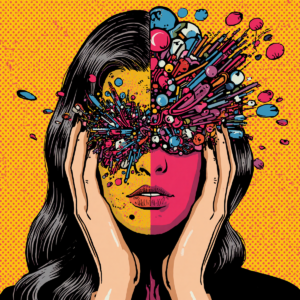
Many neurodivergent women become highly skilled at masking, consciously or unconsciously hiding their differences to fit social expectations.
They may carefully observe others, rehearse conversations, copy social behaviours, suppress stimming, or work extremely hard to appear organised and socially confident. While masking can help someone navigate social situations, it often comes at the cost of exhaustion, anxiety, burnout, and a weakened sense of identity.
2. Gender Expectations
Traditional expectations of girls and women often encourage them to be:
- Polite and compliant
- Emotionally aware
- Socially connected
- Organised and responsible
- Caring and accommodating
Many neurodivergent girls learn from an early age that they are expected to adapt rather than be accommodated. Instead of disruptive behaviour attracting attention, they may internalise their struggles and work harder to hide them, making their difficulties less visible to teachers, parents, and professionals.
3. Diagnostic Bias
For decades, diagnostic criteria for both ADHD and autism were based largely on studies of boys.
This created a diagnostic bias, where professionals often looked for more stereotypical presentations such as hyperactivity, obvious social difficulties, or externalised behaviours. Women and girls whose traits appeared differently were frequently overlooked, misdiagnosed, or told they were simply anxious, sensitive, shy, perfectionistic, or struggling with mental health issues.
4. Internalised Symptoms
Women with ADHD or autism are more likely to experience internalised symptoms that are less visible to others.
These can include:
- Anxiety
- Depression
- Chronic overwhelm
- Emotional exhaustion
- Low self-esteem
- Perfectionism
- Persistent feelings of being “different”
Because these experiences are often hidden beneath a competent exterior, the underlying neurodivergence may go unrecognised for years.
The Bigger Picture
When masking, gender expectations, diagnostic bias, and internalised symptoms combine, many women reach adulthood—or even their 40s, 50s, and beyond- without understanding why life has felt more difficult than it appeared for others.
A diagnosis is not about finding a label. For many women, it is about gaining language for their experiences, understanding themselves with greater compassion, and finally recognising that they were never failing; they were navigating a world not designed with their neurotype in mind.
What is Neuroqueer?
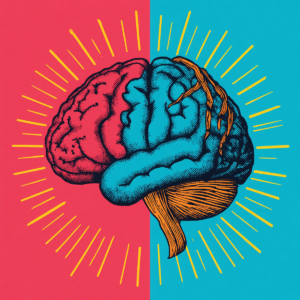
The term neuroqueer was developed by autistic scholar and activist Nick Walker to describe the ways that neurodivergence and queerness can intersect. For some people, neuroqueer is an identity; for others, it is a practice of questioning social norms and assumptions about what is considered “normal.”
Neuroqueering invites us to examine expectations surrounding communication, relationships, gender, sexuality, behaviour, and even the ways we are expected to think and interact with the world. Rather than accepting social rules at face value, it encourages curiosity about what feels authentic and meaningful for each individual.
Exploring gender identity is not an inevitable outcome of being neurodivergent.
However, many neurodivergent people report feeling more comfortable questioning social expectations and defining themselves on their own terms. This willingness to challenge conventional ideas of identity, belonging, and self-expression may help explain why there is a significant overlap between neurodivergent and LGBTQIA+ communities.
At its heart, neuroqueering is about creating space for greater authenticity, allowing people to move beyond inherited expectations and towards a deeper understanding of who they are.
Prefer video? Watch the YouTube Short version of this conversation, where I explore what neuro-queer, anti-queer and gender queer mean in relation to neurodiversity, authenticity, professionalism, and being human. Subscribe to the channel to get notified about the Empauher conversations videocast and podcast coming soon at the start of July
Then continue reading for a deeper exploration of neurodiversity, workplace inclusion, and how gender plays a part in neurodivergence.
The challenge is that after decades of masking, many begin to ask:
“Who am I underneath all of this?”
Who Am I Underneath the Mask?
When someone has spent a lifetime questioning why they feel different, a diagnosis often creates permission to explore other aspects of identity that may previously have gone unexamined. As the pressure to maintain a carefully constructed version of oneself begins to ease, questions about gender, sexuality, relationships, values, and belonging can naturally emerge.
Neurodivergence and Gender Diversity
This process of self-discovery often extends beyond understanding neurodivergence alone. It can lead to a broader examination of gender, relationships, sexuality, and the roles that have shaped a person’s life.
Research has consistently found higher rates of gender diversity among autistic people than in the general population. This does not mean that neurodivergence causes someone to be transgender, non-binary, or gender diverse. Rather, neurodivergent people are often more inclined to question social norms and less motivated by conformity for its own sake.
For some cisgender women, this exploration reinforces their connection to womanhood.
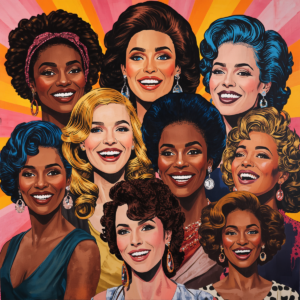
For others, it raises new questions:
- What aspects of femininity genuinely feel authentic to me?
- Which behaviours have I adopted to fit societal expectations?
- Why have I often felt different from other women?
- What does gender mean to me beyond cultural assumptions?
What is double unmasking?
For some women, late diagnosis initiates a process of what might be called a “double unmasking.” The first involves recognising and releasing the strategies used to hide neurodivergent traits. The second involves examining the social expectations attached to gender and deciding which genuinely reflect their identity and which were adopted as a means of acceptance, safety, or belonging.
The first mask involves hiding neurodivergent traits, suppressing sensory sensitivities, masking autistic communication styles, or compensating for executive functioning challenges.
The second mask involves performing gender expectations, being agreeable, emotionally available, attractive in the “right” way, and prioritising the needs of others.
Authenticity After Diagnosis?
As diagnosis brings greater self-awareness, both masks may begin to loosen. This can lead to new boundaries, changes in appearance, shifts in relationships, and a stronger sense of self-acceptance.
Importantly, not every late-diagnosed neurodivergent woman will identify as LGBTQIA+, nor will everyone question their gender identity. However, many recognise a shared experience: the courage to examine inherited social rules and decide which ones truly belong to them.
Diagnosis is often viewed as a medical event, but for many women over 50 it becomes something far more transformative. It offers an opportunity to revisit assumptions that may have shaped an entire lifetime—about success, relationships, femininity, communication, and self-worth.
Whether this journey leads to a deeper connection with womanhood, an exploration of gender identity, or simply a greater understanding of oneself, the common thread is authenticity. Late diagnosis can create space to ask questions that were never previously available and to build a life that feels more aligned with who one truly is.
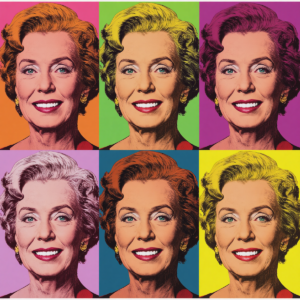
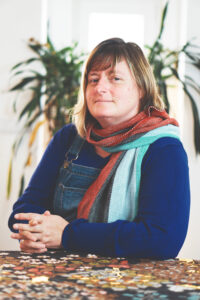
Women over 50 are not a single story. Their experiences, identities, strengths, and journeys are as varied and vibrant as the colours in this portrait series, challenging stereotypes about ageing and visibility.
At its heart, this journey is not simply about neurodivergence or gender. It is about reclaiming the right to define yourself on your own terms, free from expectations that no longer fit, and embracing a version of yourself that feels genuine, visible, and whole.
Frequently Asked Questions
What is neurodiversity?
Neurodiversity recognises that human brains naturally think, learn, communicate, and process information differently.
Can you be neurodivergent but not autistic?
Yes. Neurodivergence includes autism, ADHD, dyslexia, dyspraxia, Tourette’s syndrome, and other neurological differences.
How do neurodivergent people behave?
There is no single way neurodivergent people behave. Behaviour varies between individuals, environments, and circumstances.
Why does everyone seem neurodivergent now?
Awareness, research, and representation have increased, helping more people recognise and understand their experiences.
Why are autistic women diagnosed later in life?
For decades, autism was thought to be mostly a boys’ condition. Diagnostic frameworks, research studies, and clinical training were all built around a male-centred model. Many women grow up feeling “different” without knowing why, only to discover in adulthood – sometimes after years of misdiagnoses or self-doubt – they were autistic all along.
Can menopause make ADHD symptoms worse?
Yes, many symptoms of ADHD overlap with those of perimenopause and menopause, for instance: sharp fluctuations in neurotransmitters, trouble with focusing, negative self-image, fatigue, forgetfulness, anxiety, mood changes, sleep issues and libido changes.
What is neuroqueer?
Neuroqueer is an emerging concept that brings queer theory and queering practices towards the interwoven experiences of neurodiversity, disability, gender, and sexuality.
Is there a connection between autism and gender diversity?
Research confirms a strong, meaningful overlap between autism and gender diversity. Studies show that transgender and gender-diverse individuals are three to six times more likely to be autistic than cisgender people, and autistic individuals report significantly higher rates of gender variance.
What is AuDHD?
AuDHD is a term used to describe someone who has both Autism Spectrum Disorder (ASD) and Attention-Deficit/Hyperactivity Disorder (ADHD). It highlights the unique, often complex experience of living with traits from both neurodevelopmental conditions simultaneously.
Can you discover you are neurodivergent after 50?
Yes, it is very common to discover you are neurodivergent after 50. Many “lost generation” adults, especially women and those assigned female at birth, go through life without a diagnosis because they learned to mask their traits to blend in, or their symptoms were dismissed as personality quirks or anxiety
About the Author
Ginny Evans-Pollard is the founder of Empauher, a neurodiversity and LGBTQIA+ inclusion consultancy helping individuals and organisations create more inclusive, human-centred systems. With over 20 years of experience in education, coaching, leadership development, and inclusion, she specialises in neurodiversity, psychological safety, authentic leadership, and transformative systems thinking.
What Resonates With You?
Where do you experience pressure to be more consistent than is realistic? Share your thoughts in the comments.
Continue the Conversation
 Learn more about The Creative Reclamation Programme
Subscribe to the Empauher YouTube channel
Follow Empauher on Instagram
Connect with Ginny on LinkedIn
Join the waiting list for The Creative Reclamation Programme, launching in late July 2026. Contact Ginny on LinkedIn today; limited early-bird places are available in the beta programme.
Interested in
- Neurodiversity coaching
working with Ginny one-to-one?
Find out more about the:
- Creative Reclamation Programme
- Neurodiversity coaching
- LGBTQIA+ inclusion
- Menopause-related content (if you have it)
- Authentic leadership content
Together, we can build systems that make room for change, authenticity, and belonging.