What does neurodiversity teach us about fluidity, authenticity, and workplace inclusion? Explore the myth of consistency, neurodivergent experiences, LGBTQIA+ identity, and how organisations can create more human-centred workplaces.
Sometimes I wonder: Will people take me seriously as a professional if I’m too human? Will they want to work with me if I’m too authentic? And is this shirt just a little too bright and expressive?
As conversations about neurodiversity, autism, ADHD, workplace inclusion, and authentic leadership become more visible, many people are beginning to question traditional ideas about professionalism, consistency, and what it means to be successful at work.
The irony is that I spend my career helping organisations create inclusive cultures. Yet many of us, particularly those who are neurodivergent, LGBTQIA+, or simply different from the expected norm, can feel pressure to fit a particular image of professionalism.
But perhaps the real question is this: what does it mean to be “normal” anyway?
Understanding neurodiversity is not about putting people into boxes.
It is about recognising that people experience the world differently, and that difference is a natural part of being human. You know what? Humans aren’t fixed. And that’s where fluidity comes in.
F is for Fluidity: Neurodiversity, Authenticity and the Myth of Consistency
Prefer video? Watch the YouTube Short version of this conversation, where I explore what fluidity means in relation to neurodiversity, authenticity, professionalism, and being human.
Then continue reading for a deeper exploration of neurodiversity, workplace inclusion, and why consistency may not mean what we think it does.
Are We All “On the Spectrum”?
While everyone has preferences, strengths, challenges, and quirks, that doesn’t mean everyone is neurodiverse. However, the question points to something important: human beings exist across a wide range of experiences, capacities, and ways of thinking. Neurodiversity asks us to recognise and respect those differences rather than expecting everyone to fit a single standard.
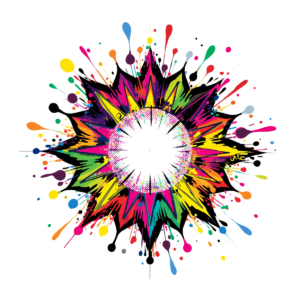
A bold pop art interpretation of the spectrum, celebrating neurodiversity, individuality, and the many ways people think, learn, communicate, and experience the world.
The Myth of Consistency
One of the most common questions people ask is, “What is a neurodivergent person like?” The answer is simple: there is no single answer. People often search for ways to identify neurodivergence by looking for specific behaviours, communication styles, or personality traits. They ask how neurodivergent people behave, how they communicate, or what signs they should be looking for.

The challenge is that neurodiversity is not a personality type. Autistic, ADHD, dyslexic, dyspraxic, and other neurodivergent people are incredibly diverse. For autistic, ADHD, and dyslexic people,
We all have our own quirks, habits, and ways of making sense of the world.
Some people love routine. Others seek novelty. Some communicate directly. Others communicate more indirectly. Some thrive in groups. Others need solitude to recharge.
The search for a single definition often misses the reality that people are shaped by context, environment, relationships, and experience.
Fluidity Is Human
For many professionals, the challenge is not simply understanding fluidity in theory.
It is giving themselves permission to live it. We spend years becoming reliable, productive, helpful, and successful.
Yet somewhere along the way, creative ambitions, personal projects, and parts of our identity can become parked in favour of meeting expectations. Sometimes the pressure to appear consistent becomes so strong that we stop asking what we actually want.
The same person can show up differently from one day to the next. Some days bring clarity and momentum; others require more rest, reflection, or support. Motivation fluctuates. Priorities shift. Life happens.
A leader may feel confident presenting to a room of hundreds yet struggle with self-doubt before an important decision. A creative entrepreneur may experience periods of intense inspiration followed by quieter phases of reflection and planning. Someone navigating a significant life transition may find their capacity, focus, and energy influenced by factors that others cannot see.
These variations are not signs of inconsistency or a lack of commitment. They are part of being human. We all move through different seasons, environments, and experiences that shape how we show up in the world. True consistency is not about performing at the same level every day. It is about remaining connected to our values, purpose, and direction, even as our circumstances and capacity evolve.
Perhaps professionalism is not about hiding our humanity. Perhaps it is about learning how to bring our humanity into the spaces where we work, lead, create, and connect with others.
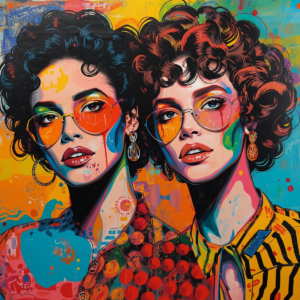
Fluidity and Identity
Fluidity can also be part of LGBTQIA+ experiences. For some people, identity, expression, relationships, or the language used to describe themselves may evolve. Others experience a stable identity throughout their lives. Both experiences are valid. What matters is recognising that people should have the freedom to understand and express themselves without being forced into rigid categories.
Inclusive communities make room for that exploration.

Why This Matters at Work
The same principle applies beyond the workplace. Many people spend years adapting to systems that reward productivity, service, and reliability. They become experts at supporting teams, organisations, clients, students, and communities. Yet the creative projects, passions, and possibilities that once felt important are often pushed further and further down the list.
What if inclusion also meant making space for your own growth, curiosity, creativity, and evolution?
Many workplaces still reward sameness. They often assume that everyone communicates, learns, socialises, and works in similar ways. Inclusive organisations understand that difference is not a problem to solve. It is an asset to embrace.
When organisations create flexibility around communication, working styles, leadership, and collaboration, they create environments where more people can contribute their best work.
This benefits neurodivergent employees, LGBTQIA+ employees, neuroqueer people, parents, carers, disabled people, and ultimately entire teams because the most effective systems are adaptable.
The Real Question
Perhaps the most important question is not: “How do neurodivergent people behave?”
Instead, it is: “How can we create systems that allow different kinds of people to thrive?”
The future of inclusion is not about expecting people to fit into a mould.
It is about recognising that people are dynamic. We learn, adapt, evolve, and grow throughout our lives. Transformative systems do not demand that people stay the same. They create the conditions for people to bring their whole selves, develop their strengths, and contribute in ways that work for them.
When we design systems around human diversity rather than rigid expectations, everybody benefits.
For some people, fluidity means recognising that who they are becoming may be different from who they have been expected to be.
Beyond Inclusion: Reclaiming Your Creative Identity
The Creative Reclamation Programme
This question has become increasingly important in both my coaching work and my own life. I regularly meet talented professionals working in technology, education, leadership, consulting, and helping professions who have built successful careers supporting the growth and development of others. Yet many quietly admit that their own creative ambitions have been sitting on hold for years.
Perhaps that sounds familiar?
That observation has inspired the development of The Creative Reclamation Programme, the 12-week group coaching and mentoring experience launching in late July 2026. Designed for people who are ready to reconnect with neglected creative projects, rediscover what matters to them, and create a more intentional future, the programme explores what happens when we stop asking “How can I be more useful?” and start asking “What do I want to create?”
If that question resonates, you can learn more about The Creative Reclamation Programme and join the founding cohort waiting list. The first beta cohort launches in late July 2026 with a limited number of founding member places available. Contact Ginny on LinkedIn or instagram
Frequently Asked Questions
What is neurodiversity?
Neurodiversity recognises that human brains naturally think, learn, communicate, and process information differently.
Can you be neurodivergent but not autistic?
Yes. Neurodivergence includes autism, ADHD, dyslexia, dyspraxia, Tourette’s syndrome, and other neurological differences.
How do neurodivergent people behave?
There is no single way neurodivergent people behave. Behaviour varies between individuals, environments, and circumstances.
Why does everyone seem neurodivergent now?
Awareness, research, and representation have increased, helping more people recognise and understand their experiences.
About the Author
Ginny Evans-Pollard is the founder of Empauher, a neurodiversity and LGBTQIA+ inclusion consultancy helping individuals and organisations create more inclusive, human-centred systems. With over 20 years of experience in education, coaching, leadership development, and inclusion, she specialises in neurodiversity, psychological safety, authentic leadership, and transformative systems thinking.

What Resonates With You?
Where do you experience pressure to be more consistent than is realistic? Share your thoughts in the comments.
Continue the Conversation
🌱 Learn more about The Creative Reclamation Programme
Subscribe to the Empauher YouTube channel
Follow Empauher on Instagram
Connect with Ginny on LinkedIn
Join the waiting list for The Creative Reclamation Programme, launching in late July 2026. Contact Ginny on LinkedIn today, limited places for the early bird are available in the beta programme.
Together, we can build systems that make room for change, authenticity, and belonging.